Begin with how you read
A reading corner is often imagined as an armchair beside a window, a tall lamp, and a perfectly stacked pile of books. It can look inviting while remaining oddly unused. The missing element may be simple: the chair is too deep, the window creates glare, or there is nowhere to put a cup. A useful corner begins with the person reading rather than the collection of objects around them.
Notice your preferred posture. Do you sit upright with a hardback, curl sideways with a paperback, or use an electronic reader? Do you read for ten minutes in the morning or for an hour after dark? These habits affect the seat, the light, and the amount of space required. The aim is not to create a miniature library. It is to remove the small reasons you stop reading sooner than you wanted.
Choose the position by the whole day
Daylight can make a corner pleasant, but the brightest window is not automatically the best location. Direct sun may fall across the page or screen. A draft, radiator, or busy route can make an attractive spot uncomfortable. Spend time in the proposed position at the hour you expect to use it. Sit there with a book rather than judging the light while standing.
Consider sound and movement as well. A chair beside the kitchen route may be sociable but difficult for concentrated reading. A quieter corner might be preferable even if the view is less dramatic. If the home is shared, decide whether the reading seat should remain part of the conversation or offer some separation. Neither choice is superior; the important thing is to choose deliberately.
Try the chair beyond its first impression
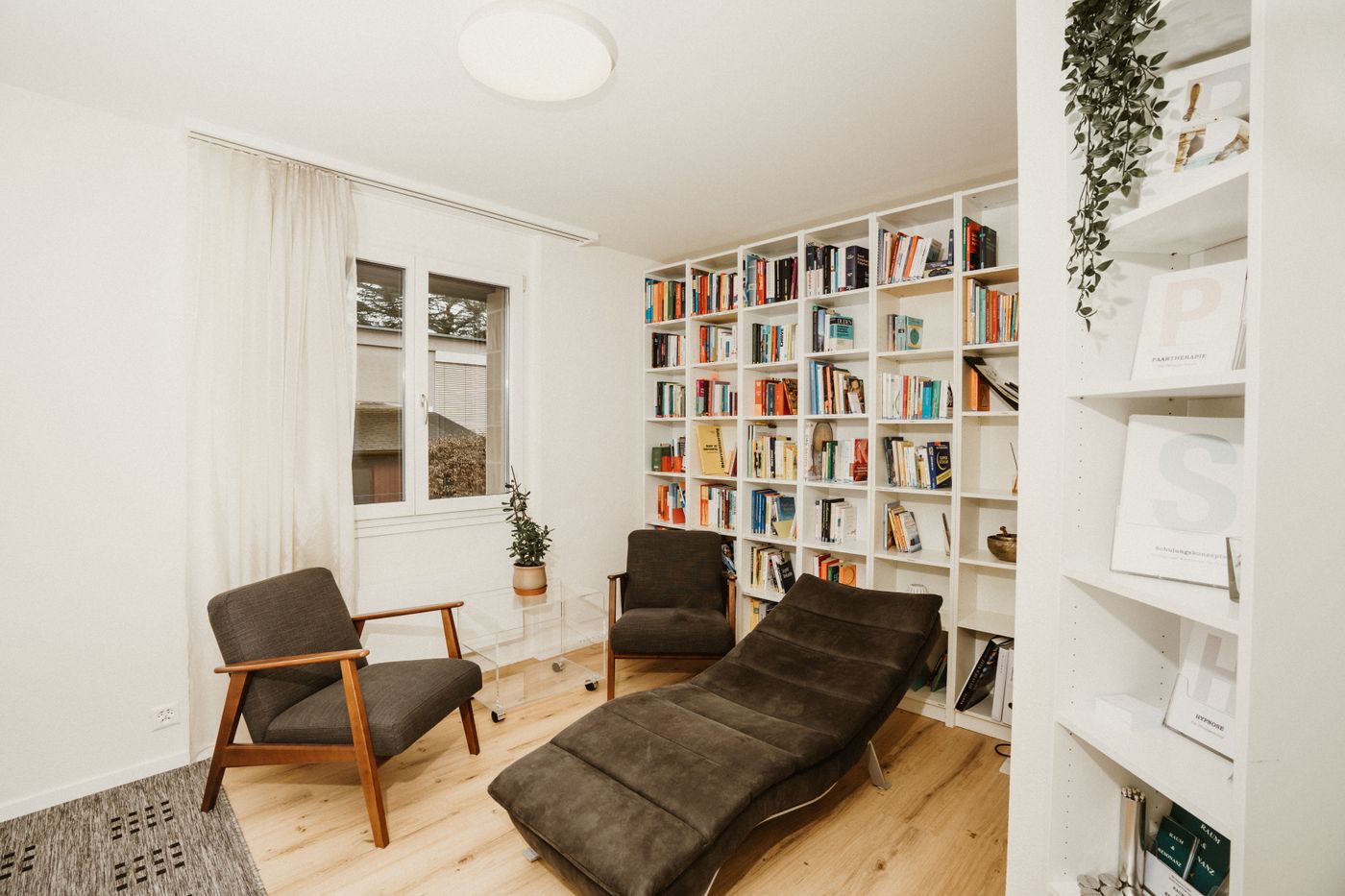
A chair can feel comfortable for a moment and become tiring over a longer session. Check whether your feet rest comfortably, your back feels supported, and your shoulders can relax. The seat depth should suit how you actually sit. A deep lounge chair may need a supportive cushion for upright reading, while a shallow chair may offer little room to change position.
If possible, spend enough time in a prospective chair to read several pages. Bring a book of the size you use. Notice whether the arms support your elbows or force them outward. Consider how easily you can stand, especially if the seat is low or soft. Comfort varies between people, so a recommendation or attractive silhouette should not replace this personal test.
Let the chair occupy its real footprint
The visible upholstery is only part of a chair's footprint. Rear legs may project, a reclining mechanism may need space, and a swivel chair can sweep a larger area than it occupies while still. Check the product information and allow for movement. A corner that works only while the chair is held at one precise angle is likely to become frustrating.
Place the chair where someone can approach it without stepping over a footstool or squeezing around a lamp. Keep doors, vents, and required clearances unobstructed. If the corner is part of a small living room, test it while other people use the room. The chair should not gain comfort by taking away the main passage or leaving another seat awkward to reach.
Put the light on the page
A reading light should illuminate what you are reading without shining directly into your eyes. The ideal position depends on the chair, the shade, and your posture. Try a lamp beside and slightly behind the shoulder, then move it until the page is clear and your head or hand does not create a troublesome shadow. An adjustable fitting can make this easier.
Look for glare on glossy paper and electronic screens. A bare bulb may be uncomfortable even when the room looks softly lit from the doorway. Follow the fixture's instructions for compatible bulbs and keep its base stable. Position cables away from the walking route. If new fixed wiring is needed, use a qualified professional rather than treating a reading corner as a reason for improvised electrical work.
Keep ambient light in the picture
A bright page surrounded by a completely dark room may feel less comfortable than a more balanced arrangement. Try leaving a modest background light on and notice how the corner feels. This is a matter of useful comfort rather than a requirement for an elaborate lighting scheme. A nearby shaded lamp or an existing room light may be sufficient.
Check the relationship between the reading light and the rest of the household. A powerful lamp directed across the room can disturb someone watching television or resting. A shade that controls the spread of light can help the corner belong within a shared space. The best arrangement gives the reader a clear page while allowing other activities to continue comfortably nearby.
Give the small table a proper job
A side table should hold the things you repeatedly reach for: a drink, glasses, a notebook, or the current book. Choose its height and position while seated. If you must lean far sideways or put a hot cup beyond a comfortable reach, move the table or change its proportions. The relationship matters more than whether it matches the chair.
Stability is particularly important in a compact corner where the table may be nudged while entering or leaving. Check the base and the surface material. A tiny pedestal can look elegant but may not suit a heavy book and a full mug together. Leave some of the top empty. A table covered with permanent decoration has surrendered the very function that makes it valuable.
Treat a footstool as an option
A footstool can support a relaxed posture, but it also occupies floor space and changes how you get into the chair. Test the height and distance before buying. A stool that pushes the knees into an uncomfortable position is not helpful simply because it belongs to the same furniture collection. It should support the way you sit rather than dictate it.
In a tight room, a movable stool can be stored beside the chair when not in use, provided that does not block anything else. Avoid relying on an unstable stack or a fragile decorative object as a substitute. If you read upright and do not naturally put your feet up, leave the floor clear. A reading corner can be complete without all the accessories commonly shown around one.
Store books for use, not just display
The current book needs an easy place; the entire collection does not necessarily need to live beside the chair. A nearby shelf can hold a few books and a notebook without surrounding the reader with piles. Think about how the books will be reached from the seat and how easily the area can be cleaned.
If you use a freestanding bookcase, secure it according to manufacturer guidance and the wall construction. Keep heavy items in appropriate positions and respect shelf load limits. Do not overfill a small corner with storage merely to establish a library atmosphere. A modest, accessible selection can feel more inviting than a large collection that makes the chair difficult to approach or leaves no surface for the book currently being read.
Make warmth and texture easy to manage
A throw can make the corner pleasant during cooler evenings, but it needs somewhere to go when not in use. A small basket or a fold over the chair back may be enough. Choose a fabric that feels good against the skin and has realistic care requirements. A beautiful rough weave that scratches your arms is unlikely to become a favorite reading companion.
A rug can soften the corner, especially on a hard floor, but check edges and chair stability. Use an underlay suited to the floor and rug, and consider mobility needs. The corner should remain easy to enter, leave, and clean. Layers are useful when they add comfort. They become less useful when they create a collection of objects that must be moved before anyone can sit down.
Consider the reader who uses a screen
An electronic reader or tablet introduces practical details that a paper book does not. Check reflections, charging access, and whether the device can be held comfortably for the intended session. Keep chargers and cables arranged safely, without trailing across the route. Follow the device manufacturer's charging guidance and avoid burying charging equipment beneath soft furnishings.
If you use headphones, give them a simple storage place rather than allowing them to occupy the reading surface. A small tray or drawer can keep accessories together. Avoid building the corner around equipment you only occasionally use. The objective is the same as with paper: a comfortable position, a clear view of the text, and fewer interruptions caused by missing or inconveniently placed objects.
Live with the corner before finishing it
Use the arrangement for several reading sessions before adding more furniture. Notice why you get up. Perhaps the lamp switch is awkward, the cup has nowhere safe to sit, or the chair faces a distracting view. These are specific problems with specific solutions. They are more useful than a general sense that the corner needs another decorative layer.
Make the smallest change that addresses the difficulty, then try again. Rotate the chair slightly, bring the table closer, or remove the unused footstool. A successful reading corner may look almost ordinary once everything unnecessary has been taken away. Its value becomes apparent when you sit down, find the light already where you need it, and realize that the next chapter requires no rearranging at all.
Take it home
- Test the chair with the kind of book or device you normally read.
- Check glare from a seated position during both daylight and evening use.
- Keep the side table stable, reachable, and partly empty.