Respond to the weather outside your own window
Seasonal decorating is often presented as a calendar of purchases: pale accessories for one part of the year, darker ones for another. Real homes have more specific needs. A rainy season can change the way an entrance works, a hot spell can make a favorite chair uncomfortable in afternoon sun, and shorter days can expose a missing lamp beside the sofa. Begin with those changes rather than a prescribed color scheme. The question is what has become less comfortable or less convenient in this room. The answer might involve moving a table, changing a curtain routine or putting a useful blanket within reach.
There is no reason to imitate a season your home is not experiencing. Warm weather in one hemisphere coincides with cold weather in another, while some climates have less dramatic temperature changes and more pronounced wet or dry periods. Your room can respond to the conditions and customs that matter locally. Walk through it at the times you use it most and make a brief list of changes in light, temperature, activities and storage. Keep that list practical. If the room already works well, a modest cleaning and a different arrangement of familiar objects may be the whole refresh.
Remove the layer that no longer serves you
Before adding anything, put away objects associated with a period that has ended. That might mean storing a heavy throw, clearing a tray of holiday items or removing a rug that is awkward during a damp spell. Clean and dry textiles according to their care labels before storing them. Do not simply push them into a cupboard to be dealt with later; hidden laundry tends to become a delayed problem. As each layer comes out, look at the remaining room. Its furniture, artwork and main finishes should still form a coherent background rather than waiting for replacement accessories to make sense of them.
Use the clearing stage to distinguish seasonal objects from general accumulation. A stack of unopened mail is not part of a winter room, and a basket of miscellaneous cables is not made seasonal by sitting beside a blanket. Return these things to appropriate homes. Leave newly cleared surfaces empty for a day if possible. An open table can be useful during a busier period of meals or homework, and it may make the room feel different without any purchase. Sometimes the strongest seasonal adjustment is simply allowing the space to become lighter in use as well as in appearance.
Let daylight set the first change
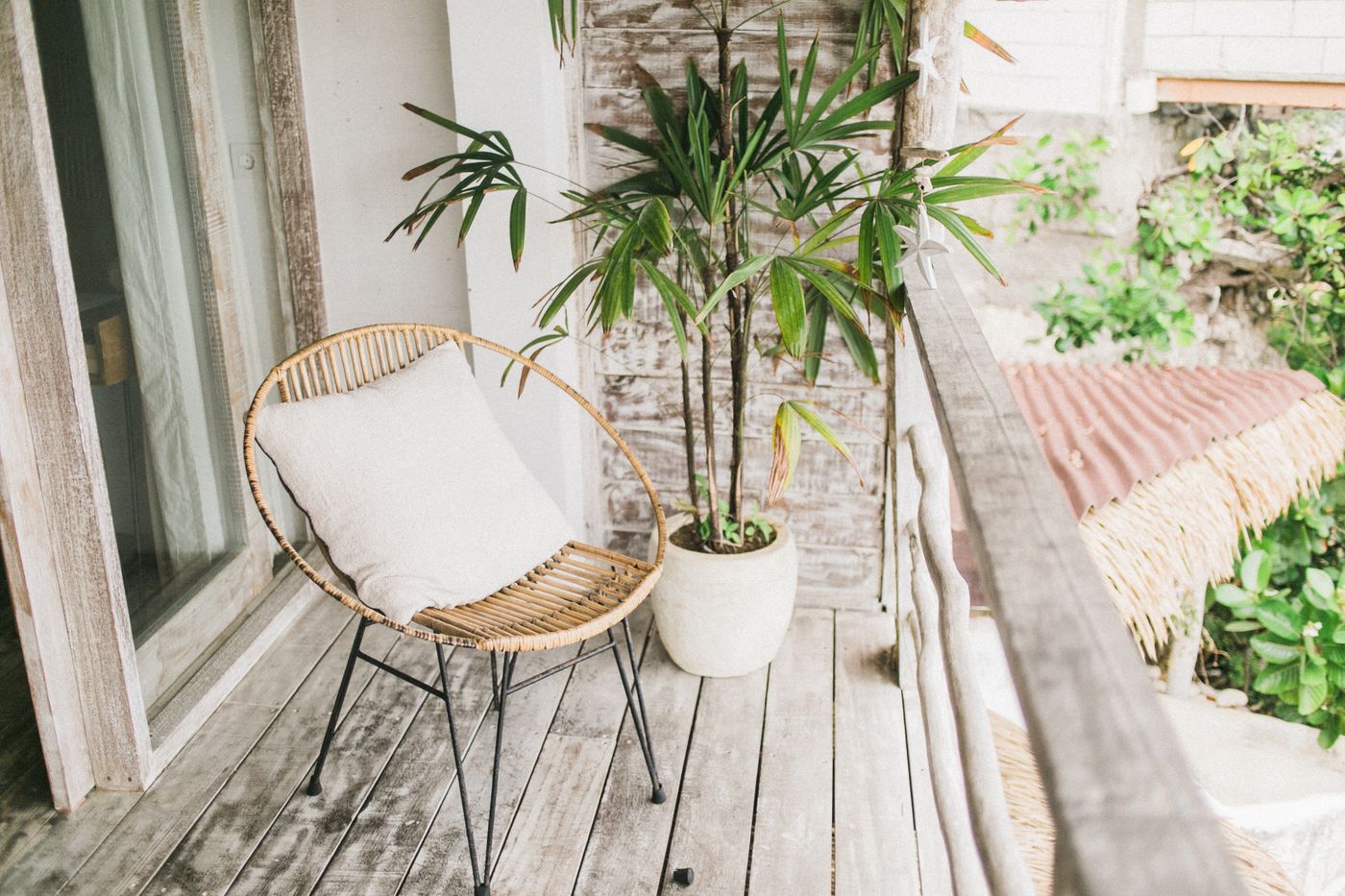
Observe where daylight falls now, rather than relying on your memory of the room several months ago. Sun angles and neighboring foliage can change the brightest or most exposed positions. A reading chair that was pleasant in cooler weather may need to move away from glare. A plant may need its conditions reviewed, with changes based on its particular requirements. Avoid automatically opening every curtain to brighten the room if that creates overheating or exposes vulnerable furniture and artwork to direct sun. The useful adjustment is the one that balances comfort, visibility and care for the room's materials.
When daylight is limited, check how the room works under its actual lamps. Moving a portable lamp nearer a reading position can be more valuable than introducing a new decorative color. Keep cables out of routes and follow the product's instructions. If you need new fixed lighting or electrical work, use a qualified professional. You can also improve the evening atmosphere by clearing objects that block useful light or changing an excessively bright exposed bulb to a compatible option with the fixture maker's guidance. A seasonal room should feel comfortable to occupy, rather than merely darker or lighter in a photograph.
Change textile weight before changing the whole palette
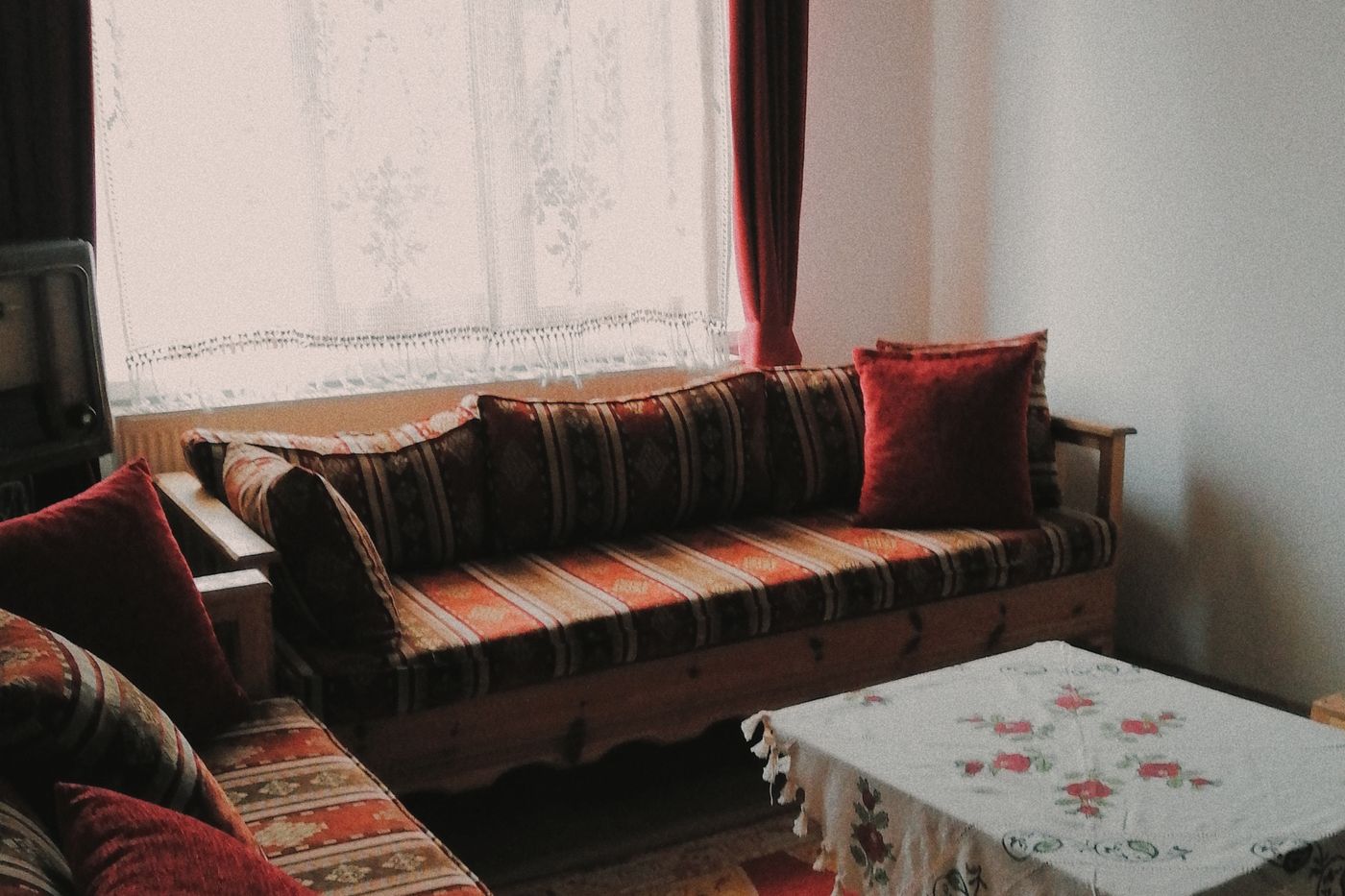
Textiles offer a direct way to respond to temperature and touch. A heavier blanket can replace a lighter throw when it will actually be used, or the bed can gain a removable layer that suits changing nights. The colors do not have to announce a dramatic transformation. A warm neutral in a loose cotton weave feels different from a similar tone in a denser wool fabric. Keep the connection to the existing upholstery and curtains, and vary the tactile quality first. That approach lets the room retain its identity while becoming more comfortable for the current conditions.
Choose a small number of changes with clear storage positions for the pieces coming out. If the new cushion covers require another collection of inserts, the rotation is becoming larger than it needs to be. Check dimensions and care labels before buying covers intended to share inserts. On the sofa, preserve sitting space rather than adding more pillows as the weather cools. On the bed, consider the layers used for sleeping before adding decorative ones. A useful textile refresh can be as simple as bringing one folded blanket from storage and returning the previous season's cover to a clean, labeled place.
Borrow from another room before visiting a shop
Rooms often contain objects that would work well elsewhere. A ceramic bowl used decoratively on a bedroom shelf could hold fruit on the dining table. A small lamp might serve a darker living room corner better than a rarely used console. Try moving a few pieces with compatible functions rather than shifting everything at once. The receiving room should gain something useful, and the original room should remain workable. Taking the only bedside lamp to improve the sitting room simply moves the problem. A successful rotation makes better use of what is available without creating a new inconvenience.
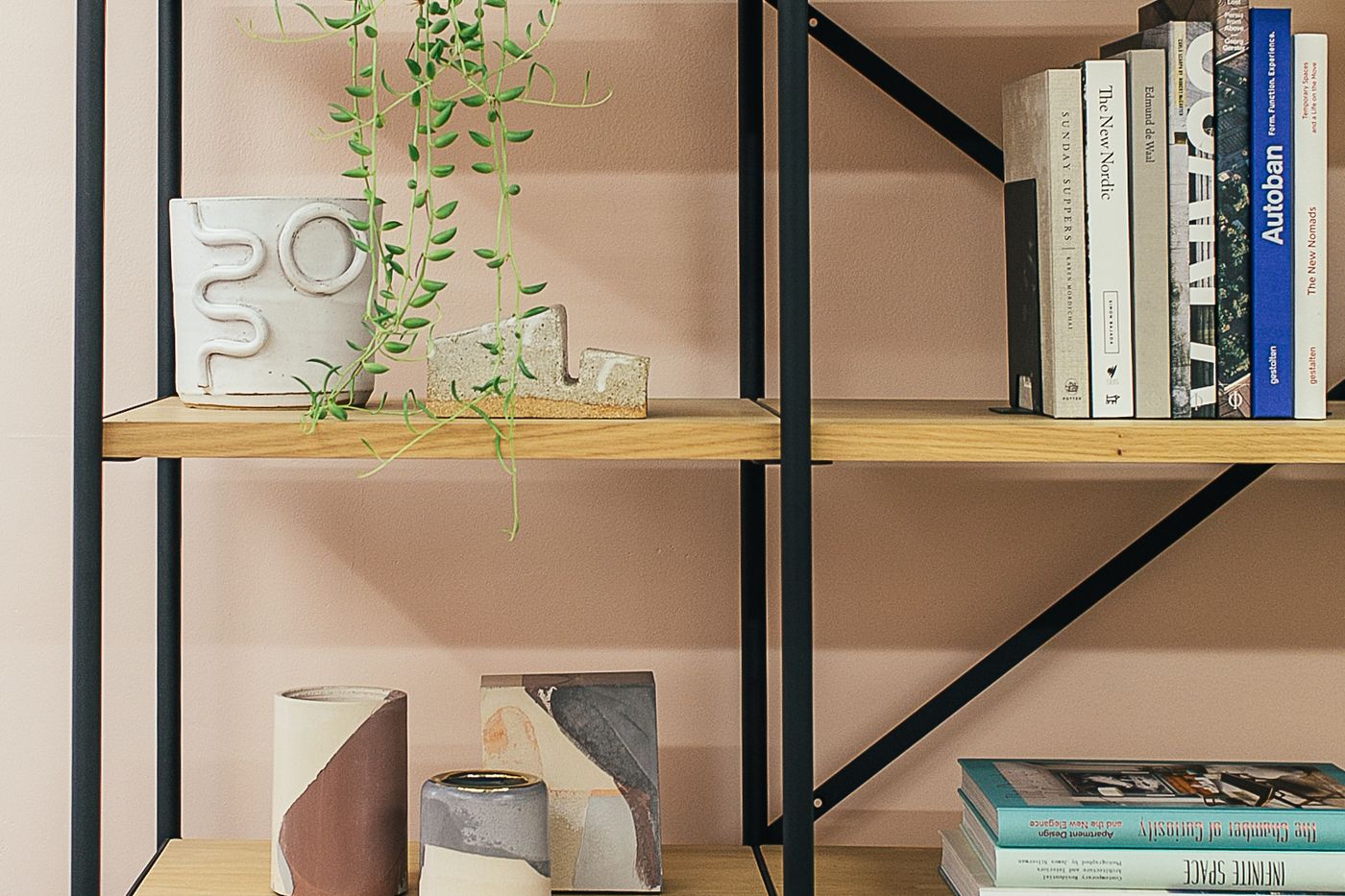
Group potential objects on a clear surface and look for a simple relationship: related colors, contrasting heights or a material already present in the room. Select fewer than you think you need. A low bowl and one substantial vase may give a table enough presence. They do not need to be surrounded by smaller seasonal references. Avoid using food, foliage or scented products as permanent decor without considering maintenance, sensitivities and household safety. A plain empty vessel can be a satisfying object in its own right. Familiar pieces look different when given a clearer setting and a little more space around them.
Make space for the activities that arrive with the season
A seasonal shift often changes what the household does more than what it wants to see. More meals indoors may make an extendable table useful; outdoor evenings may make a tray near the terrace door convenient. Wet coats and shoes may require an entrance arrangement that dries and cleans easily. Think through one ordinary day and notice where objects now accumulate. A useful refresh can involve moving a basket, clearing a shelf for frequently used supplies or adjusting a side table so a drink has a proper resting place. These changes make the room feel newly considered because it supports current behavior.
Keep furniture movement proportionate to the benefit. Rearranging an entire living room for a brief holiday may create more work than pleasure, particularly if power points and circulation no longer align. Temporary seating can help when guests are expected, but plan where it will be stored afterward and do not block exits or essential routes. If the dining table becomes a work surface during one part of the year, give the work materials an easy end-of-day home. The seasonal arrangement should be simple enough to restore after use, rather than dependent on everyone maintaining a special display.
Give seasonal possessions a firm boundary
Seasonal storage works best when it has a defined capacity. Choose an appropriate cupboard shelf, box or textile bag and keep the collection within that space. Store items clean, dry and protected according to their materials. Delicate ornaments may need individual wrapping, while fabrics need conditions that avoid damp and damage. Label the outside with a useful description rather than an ambiguous phrase such as extras. A small inventory or photograph of the contents can prevent duplicate purchases, especially when the collection is only opened once a year. Keep batteries and electrical items according to their manufacturers' storage instructions.
When a box no longer closes comfortably, edit before buying another container. Ask which objects were actually used, which felt awkward to maintain and which no longer suit the household. Sentimental pieces can stay without being displayed every year, but they still need suitable storage. Separate them from objects kept only because they arrived in a coordinated set. A limited collection can have more character than an expanding stock of accessories. It also makes the next change easier: you can find the right pieces quickly, inspect their condition and return the room to ordinary use without a weekend of sorting.
Stop when the room fits the present
After the adjustments, use the room for several days before adding anything else. Notice whether the chair is comfortable at the relevant hour, the blanket is reachable and the entrance handles the actual weather. Look at the room both with lamps on and in daylight. If something feels unsettled, identify the specific issue. It may be a missing place for a cup, a curtain that obstructs the seat or one decorative object that creates too much contrast. Solve that issue directly. Buying another seasonal accessory is rarely a reliable way to resolve an unclear practical problem.
A room does not need to document every change outside. Its permanent furniture, favorite art and personal objects can remain the steady background to the year. The seasonal layer should be small enough to support that continuity. When the room is comfortable, easy to use and a little more attentive to current light and routines, the refresh is complete. Leave some possibilities unfilled. The point of making a few changes is to enjoy the familiar room again, with less friction and a renewed awareness of what is already there. It does not require a new identity every few months.
Take it home
- Respond to local weather and routines rather than a decorating calendar.
- Clear the previous layer before adding another.
- Rotate useful objects and textiles already in the home.
- Limit seasonal possessions to a defined storage space.