Decide whether you want color, movement or texture
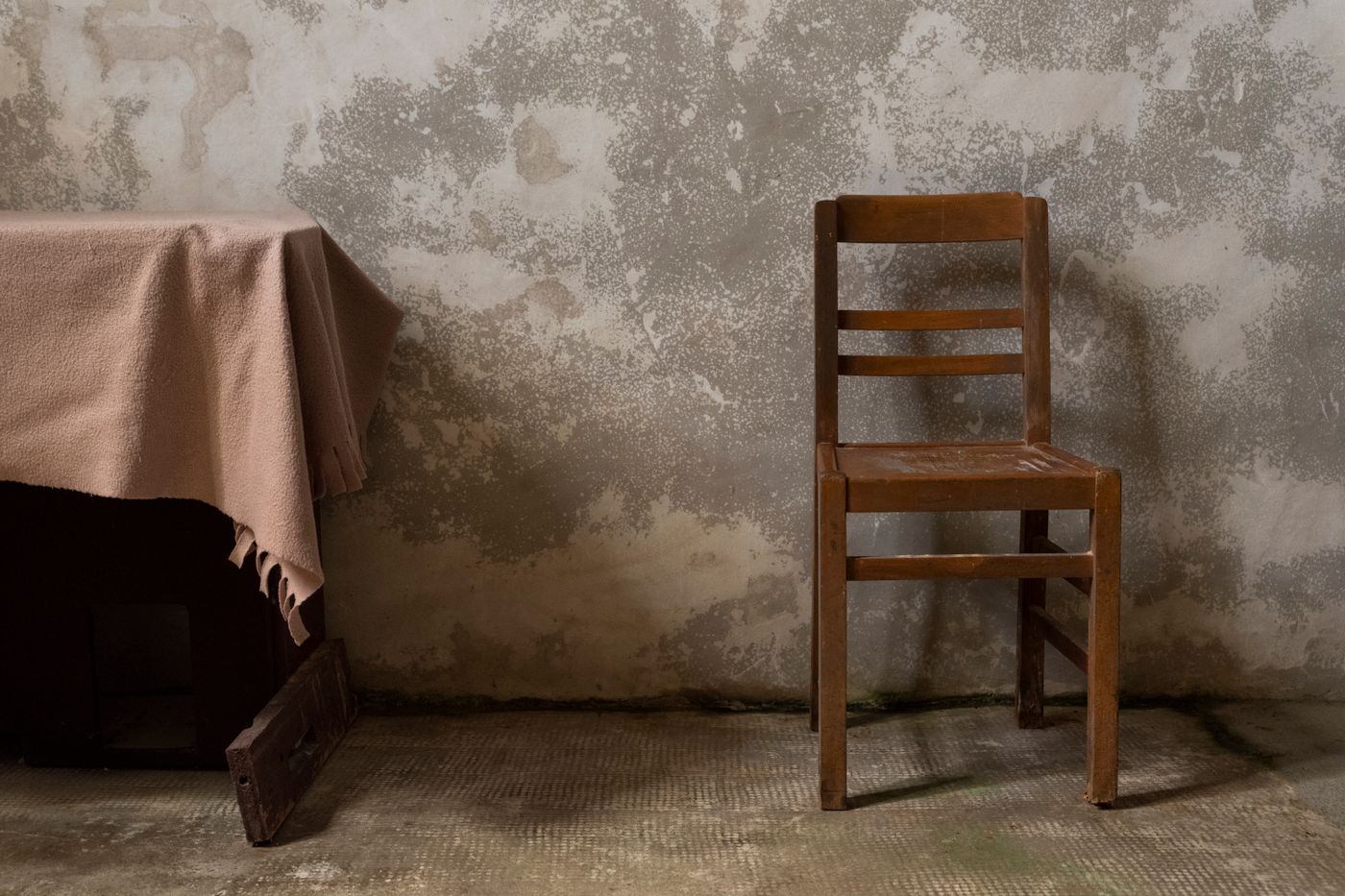
The attraction of a limewashed wall is often difficult to separate into parts. A photograph may show a muted color, a softly varied surface and beautiful side light at the same time. Before choosing a product, identify which of those qualities you want. If the appeal is mainly the pale earthy color, a conventional compatible paint may give the room what it needs. If you want visible tonal movement across a broad wall, an appropriate decorative coating may be worth exploring. If you want actual relief and depth, a coating described as a limewash look may not provide the physical texture you imagine.
Use reference images to describe the effect rather than to assume a process. Some walls shown under the same informal label may use different materials and application systems. A mineral coating, a decorative paint effect and a plaster finish are not automatically interchangeable. Ask the supplier or decorator what product and substrate are involved in the proposed result. A clear brief might request restrained cloudy variation with little physical relief, rather than simply asking for a limewash wall. That description gives you a better basis for samples, quotations and expectations than a broad trend name.
Choose a product for the actual surface
Compatibility comes before appearance. Different lime-based and decorative products are intended for different surfaces, and their preparation requirements can vary. An absorbent masonry wall, a previously painted wall and new plasterboard should not be treated as the same starting point. Read the current technical information for the specific product and confirm the full system with the manufacturer or an appropriate professional. Do not transfer instructions from one brand or product to another simply because the finished photographs look similar. The visible effect depends on a suitable base as well as the coating applied over it.
Be especially cautious when the existing finish or wall condition is unknown. Damp, damaged substrates and uncertain old coatings need assessment before a decorative finish is chosen. Do not scrape, sand or strip an unidentified surface as a casual preparation step. Appropriate professional advice may be needed to identify hazards and determine a suitable approach. A decorative coating cannot responsibly serve as a disguise for an unresolved building problem. Once the surface is understood, ask for the required preparation, primers and application conditions to be included in the specification, rather than left as assumptions behind an attractive color sample.
Make the sample large enough to show the method
A small color chip cannot show how a varied wall will feel. Ask for a generous sample using the intended product, preparation and application approach, and allow it to dry and develop as the manufacturer directs before judging it. The sample should reveal the range of light and dark areas, the size of the movement and the degree of contrast. Look for the overall impression rather than one particularly attractive patch. A technique that looks subtle in a hand-sized sample can become much more active when repeated across several square meters.
View the sample vertically in the proposed room, including near any window that sends light across the wall. Check it from the normal entrance and seating positions as well as close up. If a decorator will apply the finish, agree on a sample produced by that person or team. Hand application introduces variation, so a reference image cannot promise an exact duplicate. Keep the approved sample or clear documentation as a shared point of reference. It will not eliminate natural differences, but it helps establish whether the intended result is quiet, strongly marked or somewhere between those two directions.
Let light reveal the wall without making it restless
Lighting can make a subtly varied finish appear either calm or dramatic. Strong light crossing a wall may reveal application marks and any surface irregularity, while diffuse light can make the same finish look more uniform. Consider the daylight and lamps the room will actually have. Avoid choosing the effect solely from an image with unusually flattering side light. Your room may show a different balance for most of the day. A useful sample test includes ordinary evening lighting, when the wall sits behind furniture and people rather than being studied as a separate surface.
If you plan dedicated wall lighting, settle that intention before approving the finish. New fixed lighting should be specified and installed by an appropriate professional. There is no need to add a dramatic beam simply because the wall has movement. Sometimes the quieter result under normal room light is what makes the finish enjoyable. If the room already contains strong pattern, architectural shadows or reflective materials, choose a restrained variation so the wall does not become another competing event. The finish should support the room's atmosphere throughout the day, not depend on a single carefully arranged lighting condition.
Build the palette around the wall's full range
A varied coating contains a range of visible tones, so pair it with furniture using that range rather than only the color name. A pale clay sample may include cooler gray areas and warmer pink-brown ones. A linen curtain or timber cabinet can draw out one side of that range. Lay material samples beside the approved wall sample and check them together under the intended light. If the whole palette becomes muddy, introduce a clearer light or dark element rather than another similar middle tone. A plain darker chair frame or cleaner pale textile can give the wall a useful boundary.
Keep some neighboring surfaces visually quiet. Smooth upholstery, a simple cabinet front or a restrained curtain can allow the wall's movement to remain legible. You do not need to repeat a rustic or distressed finish on every object. A room with an irregular wall can look particularly considered when its furniture has clean proportions. Conversely, several heavily textured surfaces can make the room feel more themed than intended. Decide which material should carry the strongest character, and let the others support it. The wall is one part of a palette, not a requirement to rebuild the entire home around a weathered aesthetic.
Check cleaning and contact before choosing the room
A finish suited to a quiet wall may be less practical where hands, bags, chairs or cooking splashes repeatedly make contact. Read the product's stated use and care guidance, including whether it is appropriate for the specific room and exposure. Do not assume a wall coating is suitable inside a shower, behind a cooker or on a heavily handled surface because a photograph shows it nearby. Wet areas and other demanding positions need systems explicitly designed and installed for those conditions. Ask direct questions about cleaning and maintenance before treating the finish as a universal substitute for ordinary paint.
Sealants and protective coatings can change the appearance or behavior of a decorative finish, and they are not automatically compatible. Use only the manufacturer's approved system where specified, and include it in the sample if it will form part of the final work. Ask what level of washing, marking or color variation to expect in daily use. A household that wants frequent easy cleaning may prefer a different finish in an entrance or dining area. That is a practical design choice, not a failure to appreciate the material. The right surface is one whose limitations fit the room.
Understand what repair may look like
A hand-varied surface can make a small touch-up more complicated than its informal appearance suggests. Ask the manufacturer or decorator how damage should be addressed and whether a local repair may remain visible. Keep the exact product, color, preparation and application information with the household records. Do not assume that leftover material applied to a small patch will blend seamlessly after the surrounding wall has aged. The repair strategy should be understood before the finish is specified, especially in positions where furniture movement or regular contact makes marks likely.
Plan everyday protection sensibly. Keep chair backs from repeatedly striking the wall, use suitable furniture stops where appropriate and give frequently moved objects enough clearance. Follow the coating's care instructions rather than experimenting with abrasive sponges or household cleaners. If damage occurs, seek advice before applying another layer or sanding the area. The goal is to preserve the intended surface while keeping future work manageable. A finish can still be a good choice when repairs require care, provided that expectation is accepted. Problems arise when the appearance is chosen with the maintenance assumptions of a different product.
Include preparation and skill in the budget
The cost of the container is only one part of the decision. Preparation, compatible primers, protection of adjacent surfaces, sample work and application time can all affect the final budget. Ask for a quotation that identifies the complete system and the expected scope of work. Clarify who is responsible for assessing the substrate and dealing with any defects. A low quotation based on minimal preparation may not describe the same job as one that includes the required groundwork. Compare the specification rather than only the final number or the number of coats mentioned informally.
If you intend to do the work yourself, follow the exact product's instructions and safety data, including required protective equipment, ventilation and handling. Do not treat a natural or mineral description as proof that a product is harmless to skin, eyes or surrounding materials. Work at height and uncertain preparation tasks may require appropriate professional help. Consider whether your available time and experience match the desired consistency of the finish. A qualified decorator's sample can help you judge both the visual effect and the practical value of professional application. The aim is a well-executed surface, not simply an inexpensive imitation of a reference image.
Choose the effect only if you enjoy its differences
Before committing, ask whether you genuinely want variation across the wall. If you keep rejecting samples because one area is lighter or a brush movement is visible, a more uniform finish may suit you better. That preference is entirely reasonable. A quietly painted room can gain depth through timber, textiles and changing daylight without a decorative wall effect. You can also use a varied finish in one appropriate area rather than across every surface, provided the transition feels intentional and the product system is suitable for the chosen location.
When the sample, substrate, use and maintenance all align, the finish can give a room a subtle sense of depth. Let it coexist with ordinary furniture and personal objects rather than treating the wall as a permanent showcase. Its appeal lies in an irregularity you are comfortable living with, supported by careful specification and execution. Keep the practical records, follow the care guidance and allow the rest of the room to remain simple. The most convincing result is one in which the wall feels like a considered material choice, with acknowledged limits, rather than an effect expected to transform everything around it.
Take it home
- Specify the exact product and compatible substrate system.
- Approve a large sample made with the intended method.
- Confirm cleaning, protective coating and repair limitations.
- Follow product safety information and avoid disturbing unknown old coatings.