Look at the wall from the places you occupy
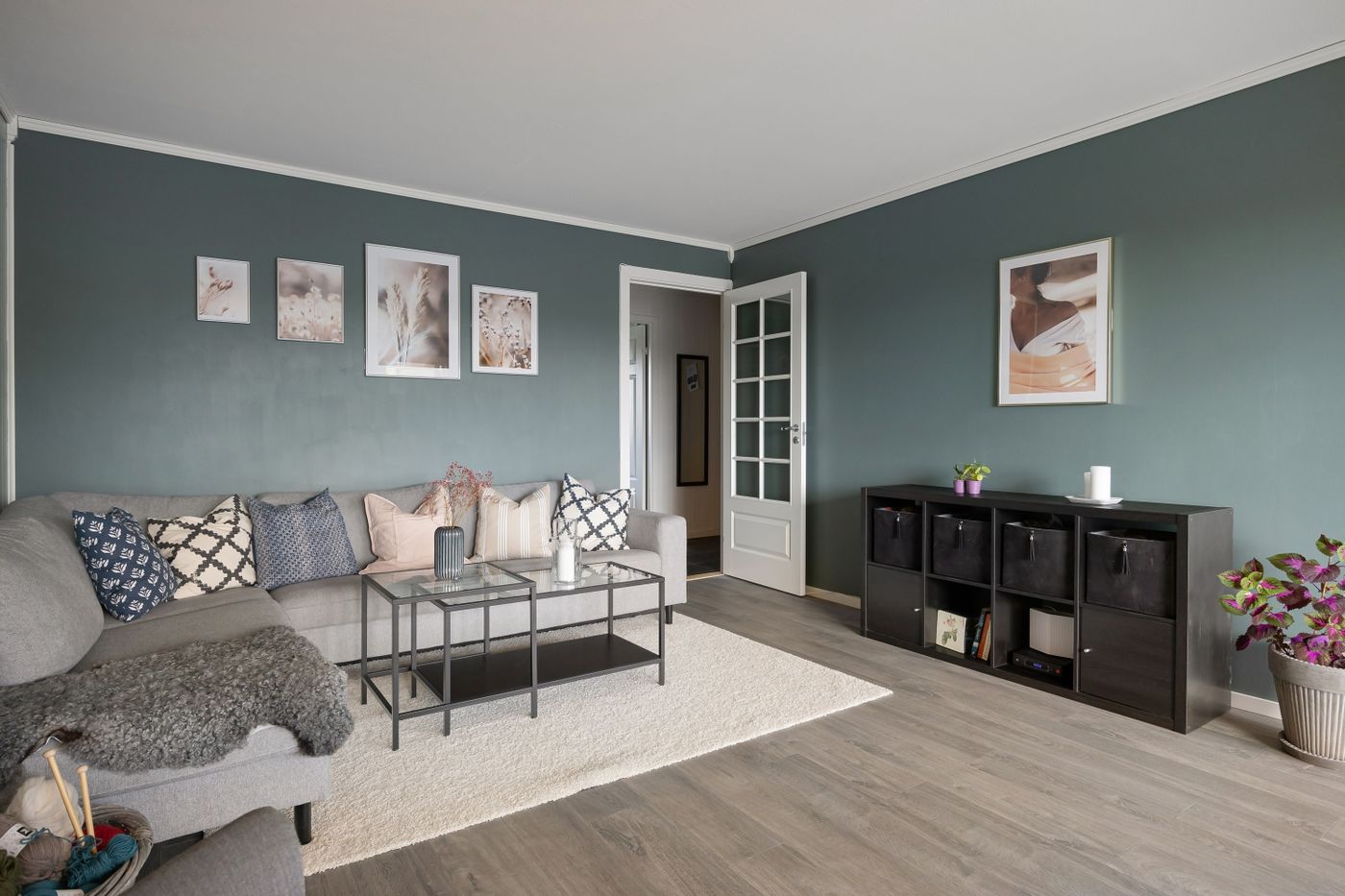
The center of an empty wall is not always the right center for a picture. A sofa, sideboard or doorway may already establish the composition, and the artwork will be read in relation to it. Begin from the place where you normally enter the room, then sit in the seats you actually use. Notice whether the wall is seen straight on or at an angle. A picture that looks well placed while you stand beside it can appear stranded above a low sofa when you sit across the room. These ordinary viewpoints are more useful than a measurement taken in isolation.
Identify what the artwork should belong to. Above a dining sideboard, it may form one group with the furniture and a lamp. In a corridor, it may stand independently between doorways. Beside a reading chair, it could be intended for close viewing rather than as a distant focal point. You can choose a different relationship in each location. What makes an arrangement feel resolved is that the relationship is legible. Avoid trying to align one picture simultaneously with a ceiling line, a neighboring doorway and furniture that sits elsewhere. Select the most meaningful reference and let secondary relationships remain secondary.
Judge scale before choosing a height
Scale changes the character of an arrangement more than a small adjustment in height. A tiny frame above a broad sofa can feel isolated even when its center is carefully measured. It may work better beside a chair, on a narrower section of wall or as part of a thoughtfully grouped collection. Conversely, a large piece can overwhelm a small table if its edges leave the furniture looking accidental. There is no single proportion that suits every artwork and room. Look at the combined silhouette, including the frame and any mat, rather than comparing only the printed image dimensions.
Use paper cut to the full outer dimensions of the proposed piece. Hold it in position or attach it temporarily with a surface-safe method, following any restrictions on the wall finish. View it from across the room and from the adjacent doorway. If it seems too small, try a broader mat or a group only when those choices suit the artwork; do not automatically buy a larger frame to fill a decorating gap. Blank wall can be intentional. A small work given an intimate location often feels more confident than the same work enlarged by unrelated objects arranged around it.
Use eye level as a question, not a command
Advice about hanging everything at eye level is a helpful prompt to consider the viewer, but viewers and rooms differ. A picture in a standing circulation space is experienced differently from one above a sofa or beside a dining table. Start at a height that feels comfortable from the main viewing position, then examine its relationship with the furniture below. Too high, and the picture may appear attached to the ceiling rather than the room. Too low, and it can feel crowded by cushions, lamps or the backs of chairs. The appropriate interval is the one that gives both elements a clear outline.
Imagine a low sideboard with a substantial framed print. Lowering the print slightly can join the two into a calm group, particularly when a lamp occupies one end of the sideboard. A tall cabinet beside that group may require a different response: the print could align more comfortably with a visible shelf or sit independently with enough surrounding space. Test rather than chase a prescribed number. Check that people can lean back, move chairs and use the furniture without striking the frame. A visual adjustment that introduces repeated physical contact is not an improvement, however well it photographs.
Give pairs and groups a shared structure
Two pictures can be read as one larger shape when their spacing is deliberate. Lay them out on the floor first and decide whether their relationship comes from equal frame dimensions, aligned centers, a common top line or a shared subject. You do not need all of those at once. A pair with different outer sizes may feel better with aligned centers than with matching top edges. Keep the interval between them close enough to read as a pair while leaving their frames distinct. Then judge the total group against the furniture or wall section it will occupy.
A larger gallery arrangement benefits from an organizing decision before individual placement. You might create a loose rectangle around one substantial work, use a clear horizontal line, or group related small frames tightly enough to form a single collection. Paper templates make changes inexpensive and keep repeated holes out of the wall. Leave the layout in place long enough to see it under ordinary conditions. If you must explain a complicated invisible grid to understand why the group works, the arrangement may need simplifying. The pictures should feel connected through visible relationships rather than through a planning system only you can remember.
Let frames support the work and the room
A frame belongs first to the artwork it protects and presents. The room is a secondary consideration. A delicate drawing may need quiet support even if the surrounding furniture is bold, while a strong photographic image might carry a darker border comfortably. View frame and mat samples against the actual work when possible. White mats vary in warmth, and a harsh bright white can make softer paper look discolored. A good framer can advise on appropriate materials and methods for the particular artwork, especially for originals, fragile paper or pieces with sentimental value.
Across a room, related frames can establish calm without becoming identical. A collection might share slim dark edges while allowing differences in material, or combine warm timber frames in varied widths. If every frame has an equally strong decorative profile, the borders can begin to compete with the images. Keep some quieter. Consider glazing and reflection before committing, particularly opposite a bright window. A frame that looks beautiful on a sample bench can become a dark mirror in the intended position. Check the location first, and discuss suitable glazing options with the framer rather than assuming every reflection can be solved by moving the picture.
Protect the artwork from the room's conditions
Light makes art visible but can also affect vulnerable materials. Persistent direct sun is a poor default location for photographs, textiles and works on paper. Heat sources, damp walls and steamy rooms introduce other problems. Ask a conservator or experienced framer about valuable or sensitive pieces rather than treating them like replaceable decor. A bathroom may be better suited to an appropriate moisture-tolerant decorative object than to an original paper work. The most visually convenient wall is not always a responsible place for the particular material you want to display.
Look at the wall at several times of day. Glare can move across a glazed picture as the sun changes, and a lamp placed below may create a bright reflection at seated eye level. Adjust the lamp or artwork position before adding dedicated picture lighting. Any new fixed electrical work needs an appropriately qualified installer. A portable light should be used as directed and should not introduce trailing cables across a route. Keep lighting gentle enough to preserve the room's atmosphere. Art does not have to be spotlighted like a shop display to feel important; a well-positioned work in comfortable ambient light can be enough.
Match the support to the actual object and wall
Installation is a separate decision from composition. Weigh the framed piece, identify the wall construction and use hardware rated for that combination, following the frame and fixing manufacturers' instructions. The fact that an existing hook has remained in a wall does not establish that it can safely hold a different picture. Rental agreements may restrict drilling or adhesive systems, and some paint finishes are unsuitable for removable products. Check permissions and product limitations before committing. Heavy, unusually shaped or overhead pieces are good reasons to use a professional installer rather than improvise a support from whatever is already available.
Avoid drilling where concealed services may be present; uncertainty about the wall calls for appropriate professional assessment. Do not lean heavy frames above beds, sofas or other occupied positions and assume their weight will keep them still. A shelf or ledge needs its own suitable installation and a safe arrangement of objects. Adhesive hooks also have load limits, surface requirements and curing instructions that matter. Keep the hardware instructions with the artwork details so future moves can be planned sensibly. Secure installation allows you to enjoy the composition without turning a decorative decision into an ongoing concern.
Allow the room to be finished without filling every wall
After hanging the work, return the furniture and ordinary objects to their usual positions. The lamp that was temporarily removed, a plant on the sideboard or a stack of books may alter the balance. Check the view with the curtains open and closed. If the piece feels slightly adrift, consider the relationship below it before adding another picture. Moving a small lamp or clearing a crowded tabletop can be the adjustment the wall needs. Avoid continually correcting the picture's position in tiny increments when the real problem is that too many neighboring objects are competing for attention.
A room benefits from places where the eye can rest. One meaningful piece with adequate surrounding space can carry a wall more convincingly than a hurried collection selected only to complete it. Leave room for future discoveries and for changes in how the room is used. When you do add another work, reassess the group rather than placing the new frame wherever a gap happens to remain. Good art placement is an ongoing relationship between objects, furniture and people. It is successful when the work can be seen comfortably, feels secure and adds something you want to return to, long after the measuring tape has been put away.
Take it home
- Measure the outer frame, not only the image.
- Test placement with a full-size paper template.
- Check the view from seated and standing positions.
- Use hardware appropriate to the framed weight and wall construction.